Reclaiming Peace and Cultivating Hope Beyond the Crisis Narrative: Towards Accountability and Action
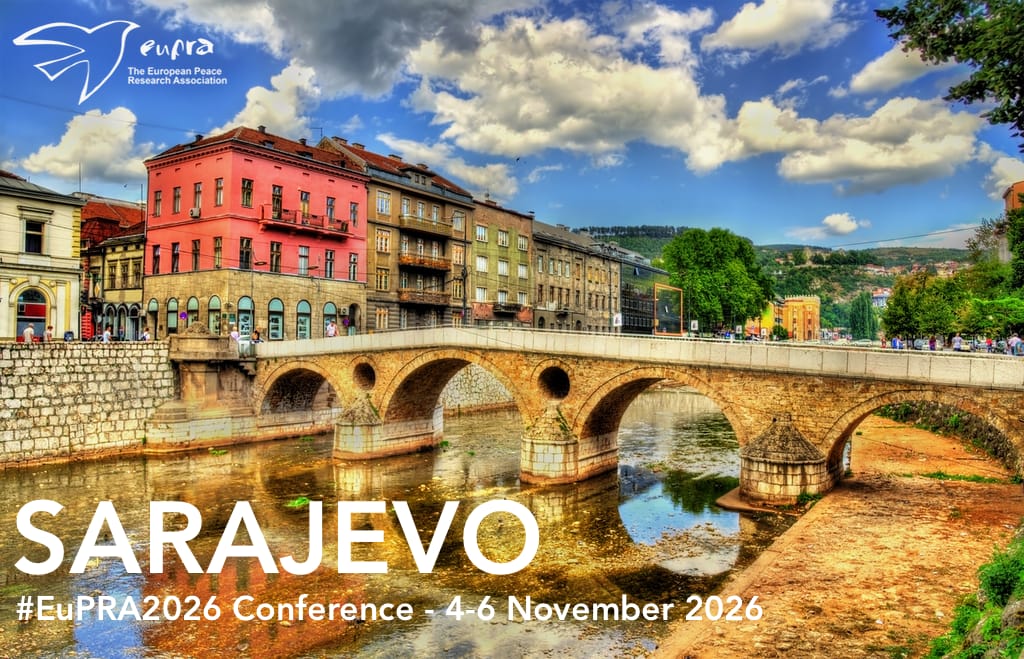
Dates
Location
Introduction
To build community requires vigilant awareness of the work we must continually do to undermine all the socialization that leads us to behave in ways that perpetuate domination
- bell hooks (2003, 36)
The world today is marked by overlapping and intensifying crises — from genocidal violence and accelerating ecological collapse to the militarisation of Europe and the ongoing reproduction of racialised and colonial hierarchies. In such context, peace research is called to reckon with its own histories by recognising a plurality of ontologies and epistemologies, and engaging with ethical responsibilities. Instead, the field has been entangled with the very structures it seeks to critique, reproducing frameworks that stabilise the status quo rather than challenge it. The dominance of crisis narratives shaping contemporary politics across scales adds to these stabilising processes; they help legitimise responses that prioritise urgency over accountability and narrows the space for political imagination.
The task before us is not simply to reform peace research, but to reimagine its horizons, methods, and commitments. Rather than reinforcing the crisis narrative, the current times require us to critically examine alternative ways of living together that foreground accountability and social justice.
In this context, the 2026 EuPRA Conference in Sarajevo invites critical, decolonial, feminist, Indigenous, diasporic, and other forms of engagements with the question of how we might live together otherwise. We welcome contributions that foreground forms of knowledge, experience, and struggles that have been marginalised, silenced, or rendered unintelligible within dominant peace discourses — including those emerging from liberation movements, community organising, artistic and embodied practices, and everyday acts of care and survival.
The conference aims to collectively cultivate and engage with the work of re-imagining and building worlds that might yet be. We therefore encourage dialogues and collaborations that explore what peace might mean as justice, as repair, as accountability, as refusal, as creativity, and as radical hope.
We warmly encourage contributors across all stages of life and professional experience to submit abstracts, whether you are involved in academia, in arts, working as a practitioner or if you in other ways identify yourself in peace work. We particularly welcome contributions from those who have traditionally been marginalised or excluded within academic spaces.
By bringing together scholars, activists, artists, and communities, this conference seeks to create a space in which peace is not only discussed or theorised, but also practiced: as resistance to violence and erasure, as solidarity across borders and struggles, and as collective worldmaking grounded in dignity, relationality, and the possibility of living otherwise.
Themes
#EuPRA2026 will cover the following 10 themes:
- War, Genocide and Everyday Violence
- Dialogues, Mediation and Local Peace
- Security, Power and Contemporary Challenges to Peace
- Feminist Peace Research
- Decolonial and Critical Peace Studies
- Nonviolence, Democracy and Social Movements
- Youth, Education and Peace Pedagogies
- Mobility, Borders and Geographies of Peace
- Climate, Ecology and Peace
- Arts, Media and Digital Peace Practices
Venue
Hotel Europe
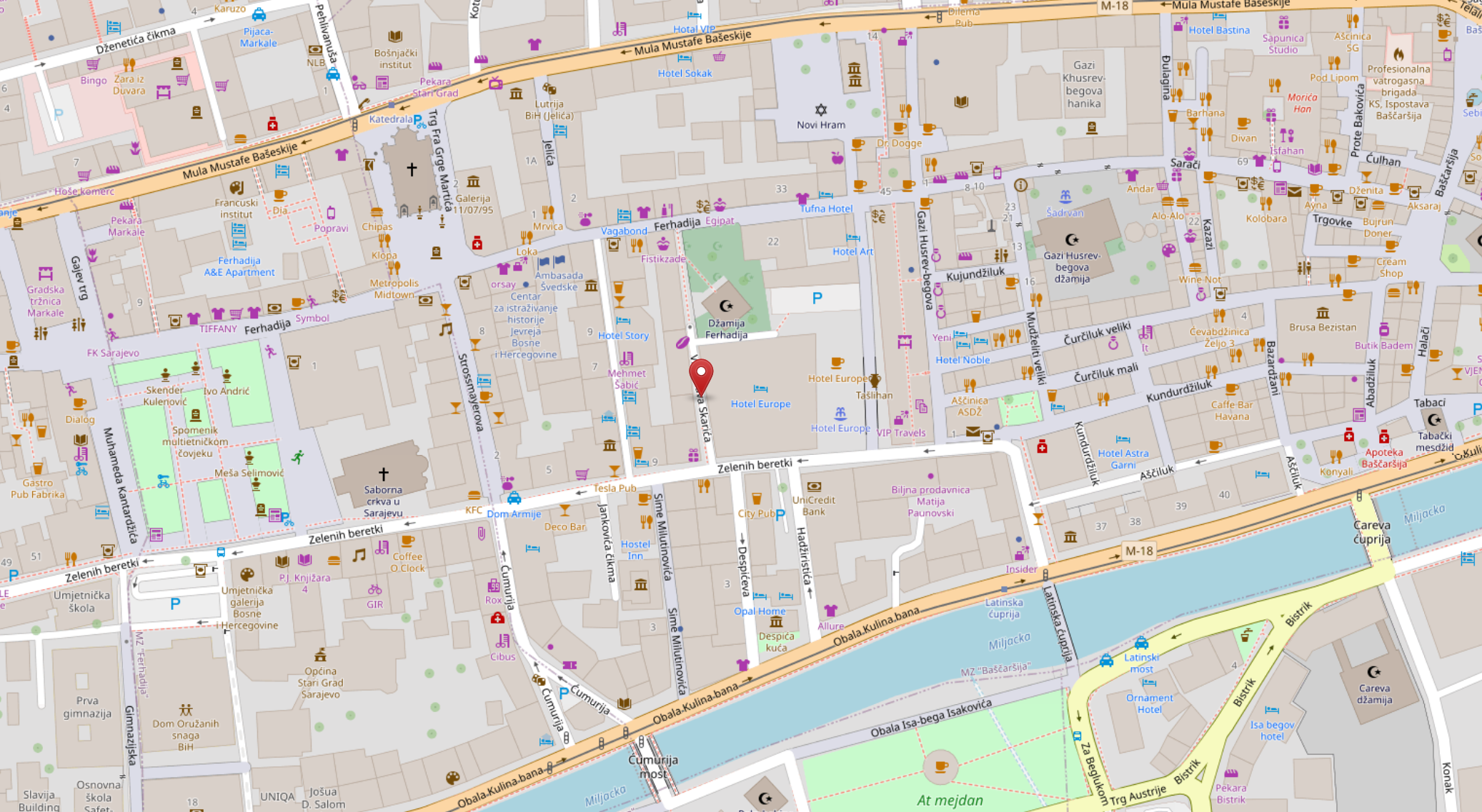
Address:
Vladislava Skarića 5,
Sarajevo 71000,
Bosnia & Herzegovina
Website: https://www.hoteleuropegroup.ba
Telephone: +387 (0)33 580 400
Safe Space
All EuPRA events are conducted within the frame of the EuPRA Safe Space and Code of Conduct rules.
Attending EuPRA events means you agree with these rules.
Socials
The conference uses #EuPRA2026 as a hashtag on all platforms.
- Follow us on BlueSky!
- Consider joining our LinkedIn group.
In partnership with

Programme
Last update: 14 August 2026
The programme is open to last-minute changes. Please check the programme regularly.
Updates to the programme will also be announced on BlueSky @euprapeace. We use the hashtag #EuPRA2026.
 | To save paper, no copies of the programme or abstracts will be handed out at the conference. |
Jump to
Keynote speakers
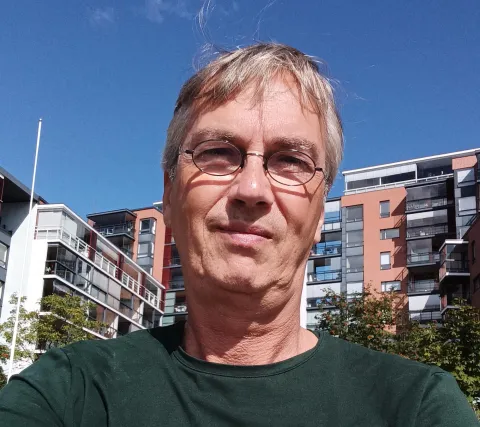
Frank Möller currently works as a Senior Research Fellow at the Tampere Peace Research Institute, Tampere University, Finland. His main research focusses on visual peace research, the visualisation of peace and the relationship between art and peace. His most recent book is Peace, Complexity, Visuality: Ambiguities in Peace and Conflict (Palgrave Macmillan 2023), written with Rasmus Bellmer. Frank’s current work is well documented on the website Image & Peace, created together with Bellmer.
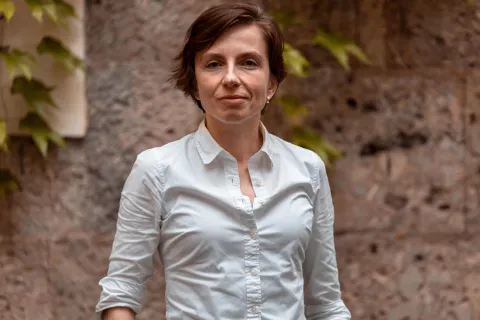
Slađana Lazić (she/they, PhD) is a scholar and educator focusing on the questions of peace and justice, politics of knowledge production in PACS, anti- and decolonial approaches to thinking/knowing/doing peace otherwise,and the post-Yugoslav space. They are one of the co-founders of the YugoslaWomen+Collective and serve as an assistant professor of Peace and Conflict studies, and Speaker of the InnPeace Research Center at the University of Innsbruck, Austria. Together with Elena Stavrevska, Slađana co-edited the Special Issue on “Peace in Plural: Towards Decolonial and Feminist Approaches to Peace”.
Programme
The registrations have been closed, so we are currently working on the programme.
The full programme will be published in due time!
| 4 November 2026 | |
|---|---|
|
8:30 – 9:30 Registration desk |
REGISTRATION |
| 5 November 2026 | |
|---|---|
|
9:30 – 10:00 Registration desk |
REGISTRATION |
| 6 November 2026 | |
|---|---|
|
9:30 – 10:00 Registration desk |
REGISTRATION |
Travel & Accomodation
Public transportation
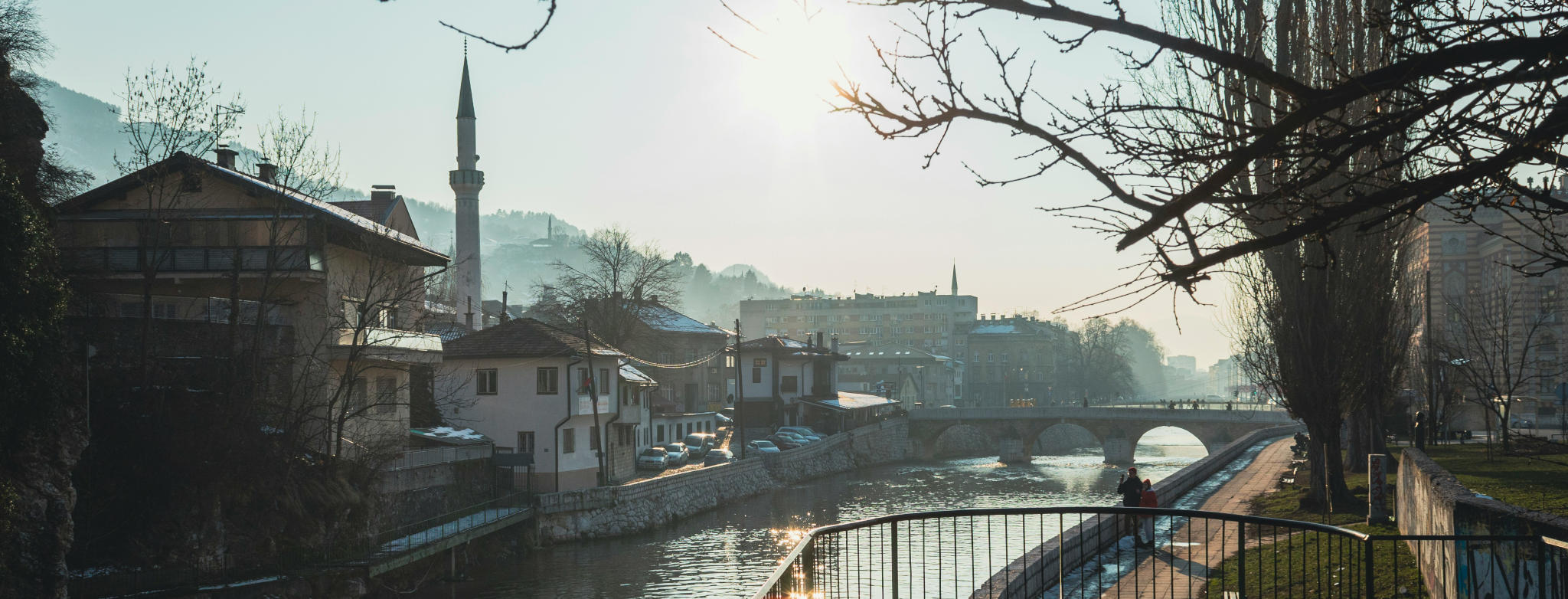
Trams, buses, and trolleybuses are available throughout the city. The trams are the most affordable option and run along the main road from the old town all the way out to the suburbs in Ilidža (near the airport). You can buy a single-ride ticket from the driver (2.20 BAM). Make sure to validate your ticket using one of the green machines located on the. The main and longest line is tram line #3, which runs from Baščaršija to Ilidža from 5:30 am to 11:30 pm. There is also a new route from the airport to Baščaršija. You can find information on it here.
Taxis are also relatively affordable and are often the quickest method of transportation around the city (3.5 BAM flat start fee and an additional 2.30 BAM per kilometer). If you have a mobile phone, you can use the “Moj Taxi” app to order a taxi. If you can make calls, you can also call Crveni Taxi (+387 33 760 600) or Samir&Emir taxi (+387 33 15 16) or Sarajevo Taxi (1515). Always expect to pay for taxis and public transport in cash.
Hotels & hostels
Below are some of the hotels and hostels recommended by our conference partner.
Hotels:
Hotel Holiday
- Website: https://www.hotelholiday.ba
- Approx. price per night: ~€90 – €140+ per night
- Location: Central Sarajevo, next to the History Museum of Bosnia and Herzegovina and within walking distance of the city center. One of Sarajevo’s most iconic and recognizable hotels.
Hotel Europe
- Website: https://www.hoteleurope.ba
- Approx. price per night: ~€100 – €150 + per night
- Location: Central Old Town location - one of Sarajevo’s best-known historic hotels.
Hotel Sahat
- Website: https://www.notahoteli.com
- Approx. price per night: roughly €45 - €90
- Location: About 200–230 m (approximately a 3 - 5 min walk to Baščaršija/Sebilj area and main central streets)
Courtyard by Marriott Sarajevo
- Website: https://www.marriott.com/en-us/hotels/sjjcy-courtyard-sarajevo/overview/
- Approx. price per night: ~€116 + per night (varies by season and booking site)
- Location: Right in the city centre (central Skenderija location, easy walking distance to major sights).
Hostels:
https://www.hostelworld.com/hostels/europe/bosnia-and-herzegovina/sarajevo/
Leisure
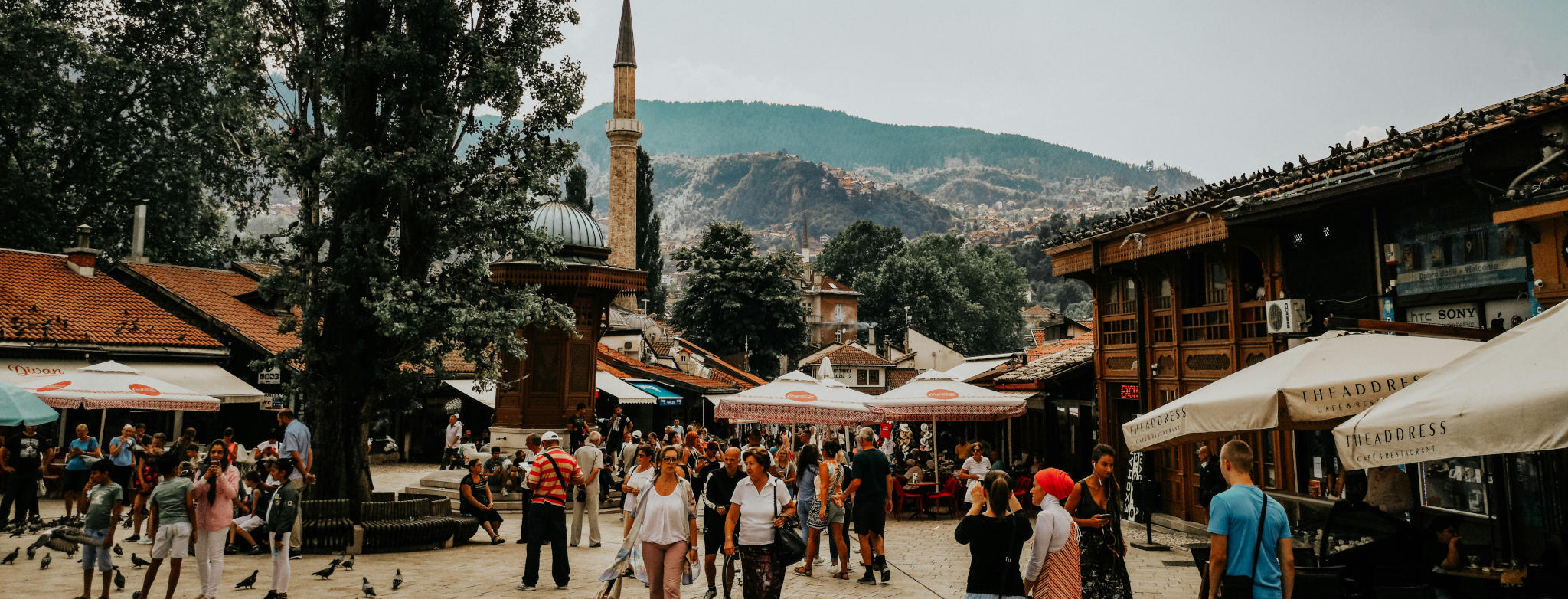
Sarajevo: A City Where Cultures Converge
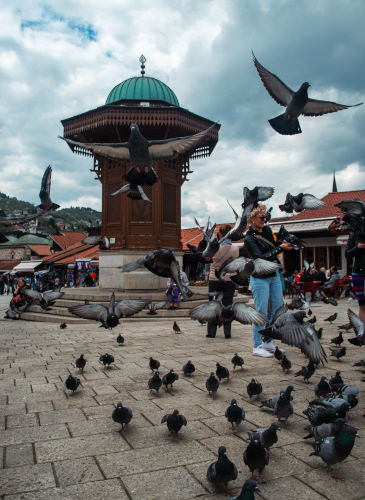
Set among the mountains of Bosnia and Herzegovina, Sarajevo is a city renowned for its fascinating history, multicultural character and striking blend of Eastern and Western influences. Home to around three hundred thousand people, the capital has a lively atmosphere shaped by its students, residents and visitors from around the world. From its Ottoman-era streets and Austro-Hungarian architecture to its vibrant cafés and surrounding hills, Sarajevo offers something for every visitor. Here are some useful tips to help you make the most of your time in the city.
Mountains, Parks, and Hiking Trails in Sarajevo
Built for the first time in 1959, and reconstructed in 2018, the Sarajevo Cable Car connects the Bistrik neighbourhood to the lush green heights of Mount Trebević in under nine minutes, traversing a length of approximately 2,100 metres. At the top, the famous gondola ride offers a range of iconic landmarks associated with Sarajevo, including the Vidikovac viewpoint, an ideal spot for sightseeing and photography enthusiasts nestled on the slopes of the mountain, or the abandoned 1984 Sarajevo Olympic Bobsleigh Track, now a popular open-air urban art gallery covered in colourful graffiti, attracting hikers, tourists, and street artists.
Before going out, it can also be a great idea to walk up to the Yellow Fortress for sunset, which offers a spectacular 180-degree panoramic view of Sarajevo from a historic vantage point. Once a defensive point against Austro-Hungarian troops, this hilltop bastion is only a fifteen-minute climb from the Baščaršija, and now serves as the place where local and visitors gather for the finest view over the city.
Hiking lovers are recommended to set upon the two-hour climb to the top of Mount Trebević, an Olympic Mountain with breathtaking views of the historical city centre, along a well-marked trail through a forest of spruce and pine overlooking Bukovik and Mount Romanija. Once at the peak, marked by the Hotel Pino Nature, you will find a gorgeous natural backdrop of Sarajevo complimented by the rustic small towns, villages, and stunning mountain ranges that lie in its shadow.
Regarded as one of the most beautiful and well-known forest trails in Bosnia, Jahorina offers a series of beautiful viewpoints along a diverse, but mostly flat trail that takes you through dense forest along the Prača Ski Valley and the Vrhpra**č**a area. Here, you will find walking paths that stretch ever deeper into the heart of nature, revealing hidden viewpoints, diverse flora and fauna, alongside the murmur of mountain streams, with the trail ending at the natural wonder known as Kalajdžijin Stone.
Deriving from the root word "bijel" (white), Bjelašnica is a majestic mountain located in the Dinaric Alps in central Bosnia and Herzegovina, featuring limestone and dolomite rock formations alongside beech forests up to the 1,500-metre tree line and alpine tundra above. Lying only a twenty-minute drive from Sarajevo, the range is home to a historic meteorological observatory built by the Austro-Hungarians in 1894, now featuring modern ski lifts, cable cars, floodlit night skiing slopes, and trails descending from the 2,067-meter summit down to Babin Do.
Links
- Sarajevo Cable Car: https://www.zicara.ba/en/home
- Sarajevo Yellow Fortress: https://lll.ba/yellow-fortress-zuta-tabija/
- Jahorina Ski Valley: https://www.oc-jahorina.com/en/
- Bjelašnica Hiking Trail: https://ocbjelasnica.com/en/
Nightlife and Live Music in the City
For those wishing to explore the local nightlife scene, City Pub is one of Sarajevo’s most famous and busiest bars, situated in the heart of the city and renowned for its nightly live music, casual atmosphere, and vibrant nightlife. It equally serves as a popular gathering place for young people while offering a balance of traditional ambiance with wooden furniture, brick walls, and vintage décor adorning its interior.
Also worthy of mention is Club Cinemas Sloga, a historic and iconic nightclub and live music venue in Sarajevo, located inside a former cinema in the vibrant neighbourhood of Grbavica. The venue offers a classic club environment with plenty of space to dance and socialise, alongside a diverse regular weekly programme featuring everything from Latin-inspired music and dance to more traditional Balkan music. This makes Sloga an appealing destination for both those looking to dance and visitors simply wanting to experience Sarajevo’s lively nightlife.
Located in the city centre, Fabrika is a popular gastropub offering an impressive selection of eight different draught beers, alongside more than 70 varieties of bottled beer and a range of tasty local specialities. The pub is situated along one of the main passages leading off Ferhadija Street, the city’s principal pedestrian street, making it a convenient stop while exploring the centre. Open throughout the day, Fabrika is well suited for enjoying a full meal or a snacks platter alongside a round of drinks.
Blind Tiger offers a more intimate nightlife experience as a Prohibition-themed burger and cocktail bar, taking its name from the 1920s American slang term for illicit speakeasies. The venue combines a cosy, edgy mountain-lodge atmosphere with an extensive cocktail menu featuring more than 70 options. Every day from 4:00 PM to 6:00 PM, visitors can also take advantage of a buy-one-get-one-free deal on selected draught beers, shots, and cocktails. Inside, the distinctive décor includes antique chairs from Vienna and a striking display of more than 230 vintage cocktail shakers, while the music generally favours classic retro tracks over modern pop.
Last, but by no means least, Jazzbina is a live music venue and jazz club located at Maršala Tita 38, offering a welcoming refuge for music enthusiasts in the heart of Sarajevo. The venue hosts live performances spanning jazz, blues, rock, and other genres, creating a varied programme for visitors to enjoy. With a cosy and intimate atmosphere and a capacity of 120 guests, Jazzbina is particularly suited to a more laid-back evening with friends or family, while also offering a selection of non-alcoholic drinks including coffee, tea, soft drinks, and juice.
Links
- City Pub: https://www.facebook.com/sarajevo.citypub/
- Cinemas Sloga: https://www.facebook.com/cinemasloga/
- Fabrika Gastro Pub: https://www.facebook.com/gastropubfabrika/?locale=hr_HR
- Blind Tiger: https://www.facebook.com/blindtigersarajevo
- Jazzbina: https://www.instagram.com/jazzbinasarajevo/?hl=en
Exploring Sarajevo’s Cultural Heritage
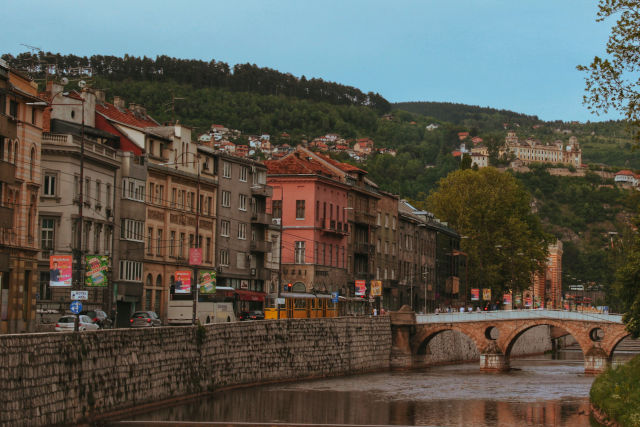
Sarajevo’s religious heritage is one of the most distinctive features of the city, reflecting centuries of interaction between different faiths and cultures. In the historic centre, the Gazi Husrev-beg Mosque stands alongside the Old Orthodox Church and the Cathedral of the Sacred Heart, while the nearby Sarajevo Synagogue provides another reminder of the city’s long-standing Jewish community. Together, these landmarks illustrate Sarajevo’s diverse religious traditions and its historic role as a meeting point between East and West.
Alternatively, Kino Meeting Point is Sarajevo’s underexplored cinema and cultural hub, offering an independent counterpart to the city’s mainstream Cinema City. Recognised as an iconic arthouse cinema, the venue combines a modern urban atmosphere with a vibrant screening space, alongside a popular café and lounge bar. The cinema is also dog-friendly and regularly attracts groups and remote workers during the day, making it an ideal place to meet before or after a film, catch up with friends, and socialise with locals in a relaxed setting.
Sarajevo’s bakeries are also a must-visit when exploring the city, offering a wide array of traditional dishes to suit all tastes while remaining deeply connected to the territory’s past and diverse culture. Near Hotel Europe, you can find several charming cafes, such as Kexich, LAFF and Baklava & Simit if you're in the mood for some Turkish sweets. Another place to check out near the hotel would be the sweets shop Egipat for it's famous winter ice cream and other delicacies. A chain of bakeries, Fine Food are a good choice for when on the go. Other places to check out while in Sarajevo are Metropolis (a chain with several locations in the city), Kilim, Fabrika Cafe (also several locations) and Coffee Station Skenderija. As both a supermarket and food court, many visitors also enjoy Crvena Jabuka, while Le.Sal+Co is a good choice for coffee, brunch, and NY-style bagels.
In the near vicinity of the conference location, we must recommend Nanina Kuhinja, Oklagija, and Dveri for traditional food. Within walking distance on Baščaršija you will also notice many Ćevabdžinca and Buregdžinca resutaurants which offer ćevapi (traditional grilled minced meat served with bread) and pita (savoury pastries filled with meat, cheese or veggies) which are a must. A long-standing local favourite is also Slatko Ćoše (Sweet Corner) in Baščaršija, which has operated since 1912 and is one of the region’s oldest traditional patisseries, blending Ottoman and Austro-Hungarian influences through classics such as baklava and krempita. A few other famous, long-running ones to try would be Željezničar, Specijal, Mrkva, and Pita ispod Saća.
For healthier options check out Falafel, Fitbar and Veganer, as well as Marshall's Gelato as their desserts are all gluten free. The Singing Nettle also offers excellent vegetarian and vegan options. For finer dinning, see BarSa (near hotel Europe), Klopa, Mala Kuhinja, Paper Moon as well as a well-loved and respected restaurant, Kibe Mahala which is designed in traditional Bosnian architecture and offers panoramic views of the city. For sushi lovers and Asian fusion, we recommend Arigato, Kimono, Sushi San and Mr. Lee.
Links
- Kino Meeting Point: https://kinomeetingpoint.ba/
- Kexich: https://kexich.ba/
- LAFF: https://www.instagram.com/laffcoffeesarajevo/?hl=en
- Baklava & Simit: https://baklavasimit.com/en
- Egipat: https://www.facebook.com/p/Slasti%C4%8Darna-Egipat-100068874682038/
- Kilim: https://kilim.ba/
- Fabrika Café: https://www.instagram.com/fabrika_coffeesarajevo/?hl=en
- Coffee Station Skenderija: https://www.instagram.com/coffeestation.sarajevo/?hl=en
- Crvena Jabuka: https://crvena-jabuka.com/
- Le.Sal+Co: https://www.lesalandco.com/
- Nanina Kuhinja: https://www.naninakuhinja.ba/
- Oklagija: https://www.facebook.com/OklagijaSarajevo/
- Dveri: https://www.instagram.com/dveri_restoran/?hl=en
- Slatko Ćoše: https://www.tourismbih.com/location/slatko-cose/
- Željezničar: https://lll.ba/cevabdzinica-zeljo-sarajevo/
- Specijal: https://www.instagram.com/cevabdzinica_specijal/?hl=en
- Mrkva: https://www.mrkva.ba/
- Pita ispod Saća: https://www.tripadvisor.com/Restaurant_Review-g294450-d1145549-Reviews-Buregdzinica_Sac-Sarajevo_Sarajevo_Canton_Federation_of_Bosnia_and_Herzegovina.html
- Falafel: https://www.falafel.ba/en/
- FitBar: https://fitbar.co.ba/menu/?lang=en
- Veganer: https://www.veganer.ba/veganer
- Marshall’s Gelato: https://www.marshallsgelato.com/
- BarSa: https://www.facebook.com/barsarestaurantandpizzeria/?locale=hr_HR
- Klopa: https://restoranklopa.ba/
- Mala Kuhinja: https://www.tripadvisor.com/Restaurant_Review-g294450-d821957-Reviews-Mala_Kuhinja-Sarajevo_Sarajevo_Canton_Federation_of_Bosnia_and_Herzegovina.html
- Paper Moon: https://www.tourismbih.com/location/paper-moon/
- Arigato: https://arigato.ba/
- Kimono: https://www.facebook.com/kimono.sarajevo/
- Sushi San: https://www.tripadvisor.com/Restaurant_Review-g294450-d5267459-Reviews-Sushi_San-Sarajevo_Sarajevo_Canton_Federation_of_Bosnia_and_Herzegovina.html
- Mr. Lee: https://www.instagram.com/mr.leesarajevo/?hl=en
A Taste of the Local Lifestyle and Family Fun
For an authentic taste of Sarajevo’s sporting culture, experiencing the city’s famous football derby between its two biggest teams, FK Sarajevo and FK Željezničar, is an unforgettable experience. Known locally as the Eternal Derby, the fixture forms a defining part of the city’s identity and is shaped by one of the most intense and enduring rivalries in the region. Visitors can soak up the atmosphere by heading to local neighbourhood pubs in Grbavica or around Koševo in the hours before kick-off, before experiencing a match that connects Sarajevo’s football culture with an immersive and authentic insight into local life.
There are several historical and well-known theatres in Sarajevo that you also must check out. The most famous is the National Theatre which was founded in 1921, one of the oldest cultural institutions in the city also used for the Sarajevo Film Festival, and holds host to a wide variety of opera, ballet, and drama performances. Alongside this, the Sarajevo War Theatre was notably founded during the intense Siege of Sarajevo, initially gathered around the concept of an ad-hoc wartime experimental theatre. Today, it acts as a prominent commercial theatre and the premium experimental showcase in Bosnia and Herzegovina, boasting the MESS International Theatre Festival as its showcase annual festival in October.
For a more relaxed experience away from Sarajevo’s busy city centre, Pionirska Dolina Zoo and Recreation Centre offers a great combination of wildlife, greenery and outdoor recreation. Located near the Koševo neighbourhood, the centre is home to a variety of animals and provides spacious green areas where visitors can walk, relax and enjoy the surroundings. Particularly popular with families and those looking for a quieter side of Sarajevo, Pionirska Dolina offers an opportunity to experience one of the city’s longstanding recreational spaces while taking a break from the more traditional tourist attractions.
For a fun day out with panoramic views over Sarajevo, Sunnyland on Trebević Mountain offers a combination of outdoor recreation, entertainment and spectacular scenery. Easily accessible from the city, the amusement park provides a range of attractions for visitors of different ages, while its elevated position offers impressive views across Sarajevo and the surrounding mountains. Whether enjoying the rides, taking in the landscape or simply escaping the city for a few hours, Sunnyland provides an entertaining way to experience Trebević while seeing Sarajevo from a different perspective.
Links
- National Theatre: https://nps.ba/
- Sarajevo Film Festival: https://www.sff.ba/en
- Sarajevo War Theatre: https://www.tourismbih.com/location/sarajevo-war-theatre/
- MESS International Theatre Festival: https://mess.ba/en/
- Pionirska Dolina Zoo and Recreation Centre: https://www.tripadvisor.com/Attraction_Review-g294450-d2313139-Reviews-Sarajevo_Zoo-Sarajevo_Sarajevo_Canton_Federation_of_Bosnia_and_Herzegovina.html
- Sunnyland: https://www.sarajevonavigator.ba/en/place/959